

Understanding Dietary Fats and 5 Easy Swaps for Better Health
-
- December 19, 2025
- Eat Well
- 5 minute read
- Theresa Coleman RD, LD
Fat sometimes gets a bad reputation because of their high calories and potential for heart disease, but fat is an essential macronutrient that we need to survive. Fat is essential because they play a role in several body functions and is needed to support our cells. It is also slowly digested, which means it helps keep us full for a longer period than carbohydrates or protein. We also need fat to absorb fat soluble vitamins, which are vitamins A, E, D, and K. If we were to eat a diet without any fat, we would likely be deficient in these vitamins. However, not all fat is created equal.
There are four types of dietary fats: Saturated, trans fats, monounsaturated, and polyunsaturated.
Saturated fats
Saturated fats are found primarily in animal products, as well as tropical oils like palm or coconut oils. Saturated fats can be spotted because they are solid at room temperature. Eating too much saturated fat can lead to an increase in LDL, which is known as the “bad cholesterol.” People with higher LDL cholesterol are at a higher risk for heart disease and strokes. Foods containing saturated fat are butter, whole or 2% milk, cheese, ice cream, beef tallow, and the skin of poultry and fried foods. The recommendation for saturated fat is to limit to about 6-10% of daily calories, which is about 13-20 g saturated fat or less per day.
Trans fats
Trans fat can be synthetic or naturally occurring in food. Synthetic trans fats were made for items like margarine, where a liquid oil is “partially hydrogenated” to make it more solid. This was in effort to take a more healthful oil and make a substitute for butter, which is higher in saturated fat. Trans fats that are naturally occurring are made when an oil is heated, then cooled, then heated, etc. This process causes the formation of trans fats. The problem with trans fats is that our bodies cannot tell the difference between trans fats and saturated fats. These fats not only raised LDL (bad cholesterol) but also lowered HDL, which is considered our “good cholesterol.” Once studies started showing the risks of trans fats, the FDA decided these fats can no longer be added to foods.
Monosaturated fats
Monosaturated fat mostly comes from plant-based foods. Foods like avocados, olives, nuts and nut butters, and oils like olive, peanut, canola, and sesame are rich in monounsaturated fat. This fat can help lower LDL cholesterol, and is also a good source of vitamin E, which is an antioxidant.
Polyunsaturated fats
Polyunsaturated fat is found in fatty fish, like salmon, tuna, whitefish, and sardines. It is also present in walnuts, flaxseeds, sunflower seeds, and soybeans. Polyunsaturated fat provides beneficial omega- 3 fatty acids, which are heart healthy and can lower triglycerides, raise HDL (good cholesterol), and help lower blood pressure.
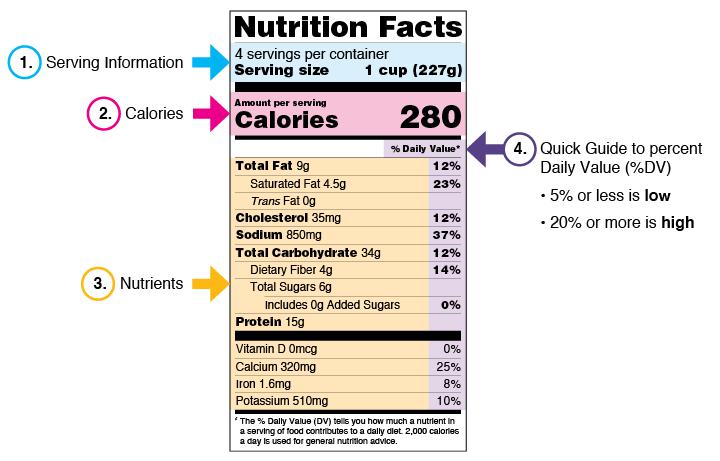
The nutrition facts label will help in figuring out what fats are present in foods. By law, the total fat must be present on the label, but there are also separate lines for saturated and trans-fat, because these types of fats are more likely to cause negative health outcomes. When looking at the nutrition facts label, it is important to look first at the serving size, because all the information is based on that serving size. Then you can see how much fat is present per serving, and how much is saturated or trans.
Easy Swaps
You can lower the amount of saturated fat you consume with some easy swaps.
- Whole milk → 1%
- This may take some time for adjustment, so you can always start by mixing the two and then slowly taper from the whole milk.
- Butter → trans fat free margarine or Olive oil
- Sour Cream → Greek yogurt
- Potato chips → Popcorn
- Skinless poultry
- remove the skin from poultry or trim any visible fat from cuts of meat
- Drain any grease found after cooking ground meat.
- If you are making roast or larger pieces of meat, the saturated fat will become solid and rise to the top once cooled. You can simply skim the solids off and remove some of the fat. You can also choose baked over fried for most meals.
Adding healthy fats into your diet
You can get more healthy fats in your diet by adding:
- nuts and seeds into meals or snacks.
- Eat fish 1-2 times per week, like tuna, salmon, or sardines.
- Cook with oils like olive, avocado, or canola/vegetable oils instead of butter or lard.
- Top your toast with avocado or peanut butter instead of butter.
You can still eat delicious and satisfying meals with less saturated fat! But remember that all fat is high in calories. Even the “good fats” can cause weight gain if eaten in large amounts, so portion sizes matter. Happy eating!
Top Meal Planning Tips for Older Adults: A Nutritionist Answers Common Questions
- Eat Well
- 5 minute read

About the Author
Theresa Coleman RD, LD, Nutrition Education Program Manager
Theresa Coleman is a St. Louis native and registered dietitian of 17 years. Prior to joining ArchWell Health she spent her career assisting with nutrition in nursing homes. Theresa says loves ArchWell Heath because she, “can make a great impact on lifestyle changes to promote healthy aging. In her free time she enjoys traveling and hiking her with family and dog.
Become an ArchWell Health Member today!
Joining ArchWell Health is easy. Just click the link below to get started. Before you know it, chair yoga class will be your weekly jam!